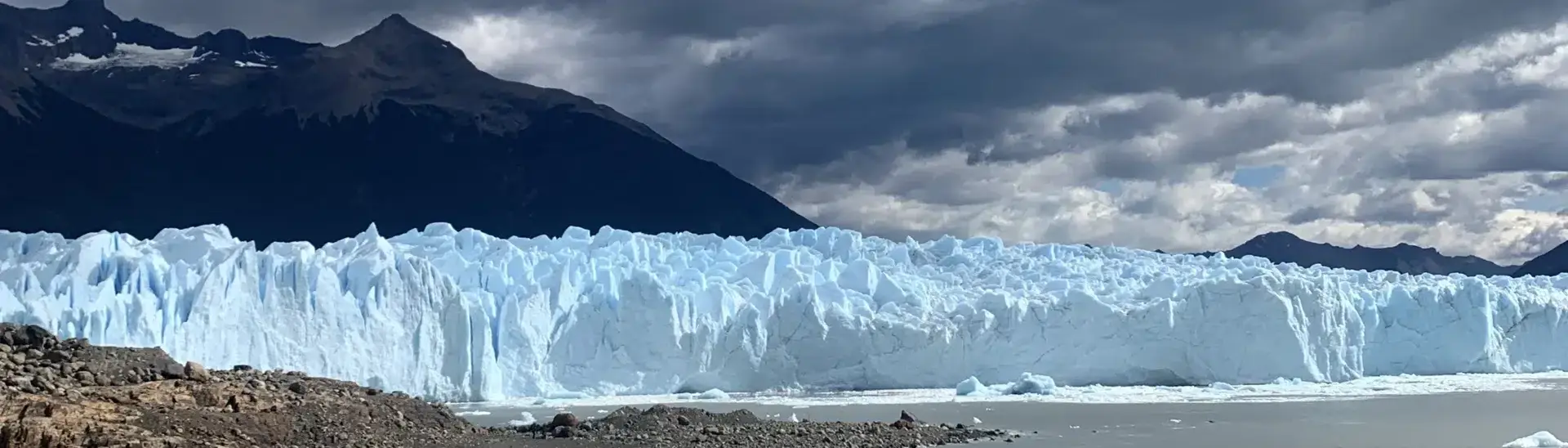
Los Glaciares National Park
UNESCO World Heritage Site
Los Glaciares National Park is a world-renowned natural treasure. This stunning park has been declared a UNESCO World Heritage Site, highlighting its extraordinary importance and value. Within this park you will find the famous Perito Moreno Glacier, But that's not the only attraction. Los Glaciares is home to a total of 356 glaciers, each with its own unique beauty and characteristics.
The Upsala Glacier, one of the largest in South America
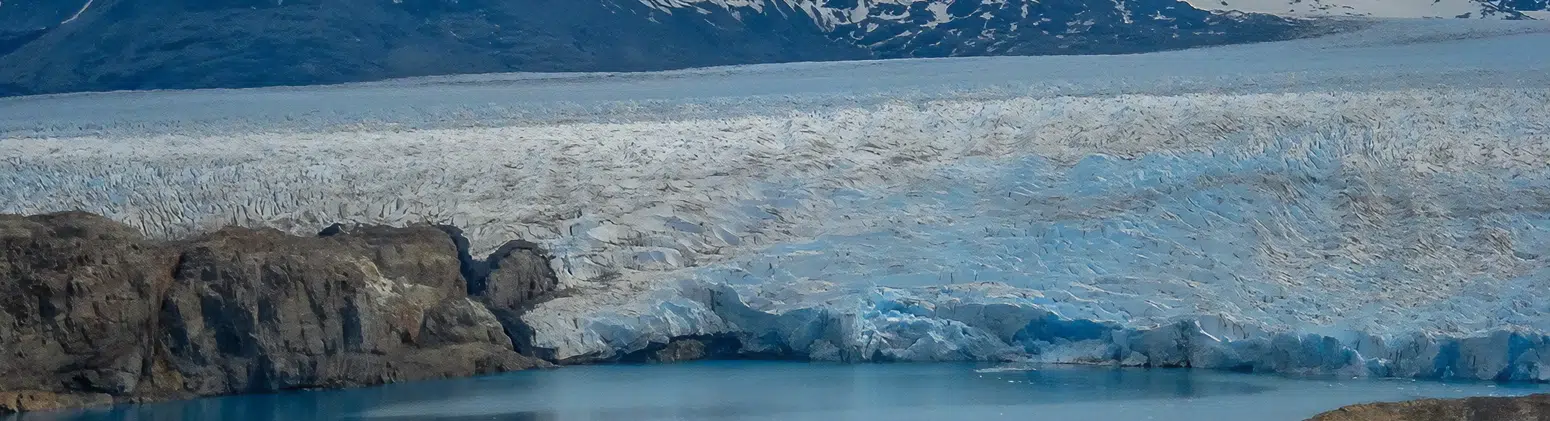
The Upsala Glacier, located in Los Glaciares National Park in the province of Santa Cruz, Argentina, is a breathtaking natural wonder. Covering an area of approximately 870 square kilometers, it is one of the largest glaciers in the region.
What makes the Upsala Glacier so special is its imposing beauty and intense blue color. Its enormous ice walls rise majestically above Lake Argentino, creating a breathtaking and almost surreal landscape. The sound of calving icebergs echoing through the air adds even more excitement to the experience.
Exploring the Upsala Glacier is a unique experience. Adventurers can take boat or kayak excursions to get up close to this natural wonder. Sailing among the floating icebergs and contemplating the glacier's magnitude up close is an unforgettable experience.
However, it is important to note that the Upsala Glacier has experienced significant retreat in recent years due to global warming. This phenomenon has led to a reduction in its size and the disappearance of some of its most iconic ice formations.
The Upsala Glacier is a stark reminder of the importance of protecting our environment. Its beauty and fragility urge us to take action to preserve these natural treasures for future generations.
Visiting the Upsala Glacier is an experience that leaves a lasting impression on those fortunate enough to witness its magnificence. It serves as a reminder of the majesty and fragility of nature, and a call to action to protect and conserve these unique places on our planet.
The Spegazzini Glacier, imposing and majestic walls
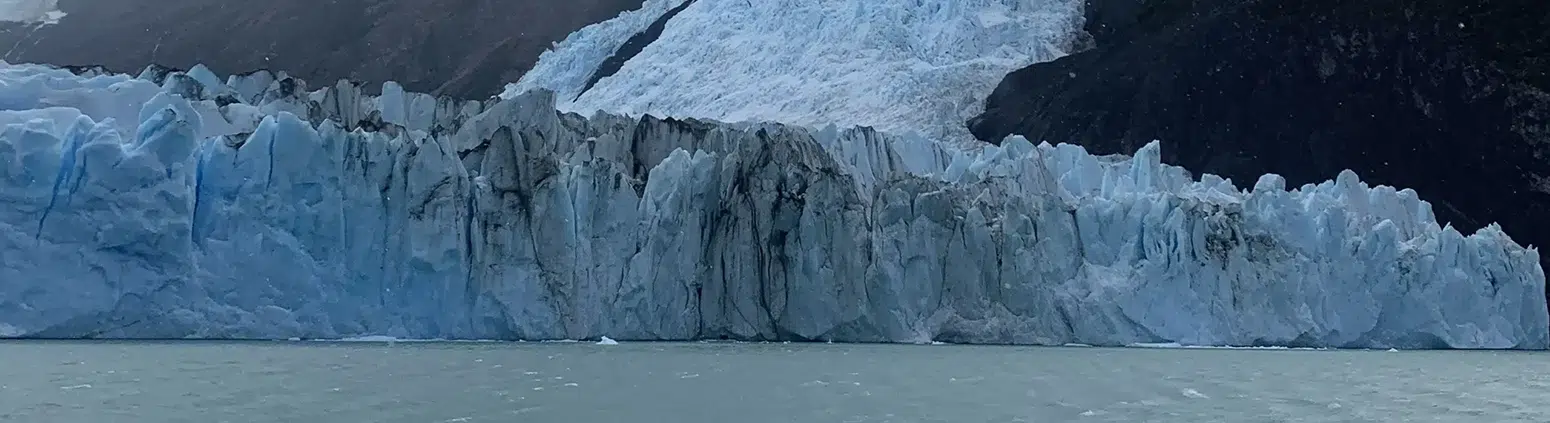
The Spegazzini Glaciers, located in Los Glaciares National Park in the province of Santa Cruz, Argentina, are a breathtaking natural wonder. Named after the Italian scientist Carlo Spegazzini, these glaciers are one of the region's main attractions and draw tourists from all over the world.
What makes the Spegazzini Glaciers so fascinating is their imposing size and unique beauty. Standing over 100 meters tall and stretching for approximately 14 kilometers, these glaciers are a breathtaking sight. Their walls of deep blue ice rise majestically above Lake Argentino, creating a dreamlike landscape.
Exploring the Spegazzini Glacier is an unforgettable experience. Visitors can embark on boat or kayak excursions to get up close to these enormous ice formations. The feeling of being surrounded by gigantic icebergs and hearing the cracking of the ice as it calves is simply breathtaking.
Besides their beauty, the Spegazzini glaciers are also scientifically important. These glaciers act as indicators of climate change, and studying them helps us better understand the effects of global warming on mountain ecosystems.
However, like other glaciers in the region, the Spegazzini Glaciers have also experienced significant retreat due to global warming. This phenomenon serves as a stark reminder of the importance of taking action to protect and preserve these unique ecosystems.
Visiting the Spegazzini Glaciers is an experience that leaves a lasting impression on the mind and heart of visitors. It is a reminder of the magnificence and fragility of nature, and it urges us to take action to protect and conserve these natural treasures for future generations.
The Viedma Glacier, the largest in the National Park
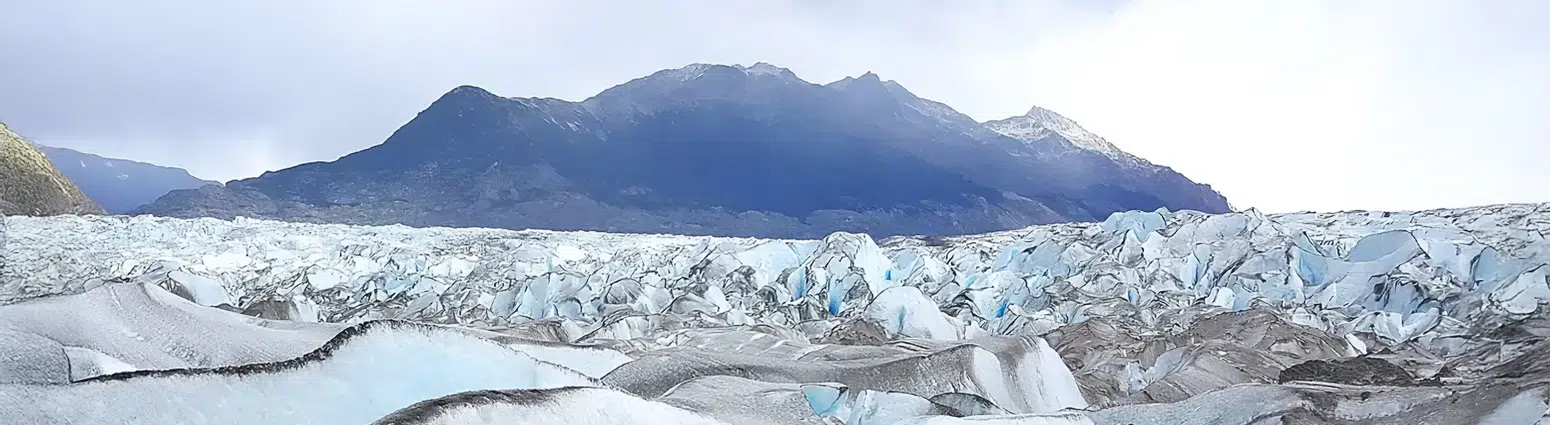
The Viedma Glacier, located in Los Glaciares National Park in the province of Santa Cruz, Argentina, is a natural wonder that captivates all who have the opportunity to visit it. Covering an area of approximately 978 square kilometers, it is one of the largest glaciers in South America.
What makes the Viedma Glacier so impressive is its majesty and unique landscape. Its enormous walls of blue ice stretch across Lake Viedma, creating a dazzling visual spectacle. The glacier's immensity and the purity of its blue color contrast with the sky and surrounding mountains, creating a scene of indescribable beauty. Exploring the Viedma Glacier is an experience that awakens the senses. Adventurers can embark on exciting boat or kayak excursions to get up close to this natural wonder. Sailing among the floating icebergs and contemplating the glacier's imposing presence is an experience that leaves one speechless. In addition to its beauty, the Viedma Glacier is also scientifically important. Studying and monitoring it helps us better understand the effects of climate change on glaciers and take measures for their conservation. However, like other glaciers in the region, the Viedma Glacier has experienced significant retreat in recent years due to global warming. This fact reminds us of the importance of taking action to protect and preserve these fragile and unique ecosystems. Visiting the Viedma Glacier is an experience that leaves a deep impression on the hearts and minds of visitors. It serves as a reminder of the beauty and fragility of nature, and motivates us to take action to protect and conserve these natural treasures for future generations.
The beauty of Los Glaciares isn't limited to the glaciers themselves. You can also enjoy the breathtaking Patagonian mountains, crystal-clear lakes, and beautiful forests that surround the area. Los Glaciares National Park offers a wide range of outdoor activities, such as hiking, boating, and birdwatching. It also has a visitor center where you can obtain detailed information about the park and participate in educational activities. By visiting Los Glaciares National Park, you'll have the opportunity to appreciate its natural beauty, experience its biodiversity, and admire the magnificence of the glaciers that make it worthy of its recognition as a UNESCO World Heritage Site.